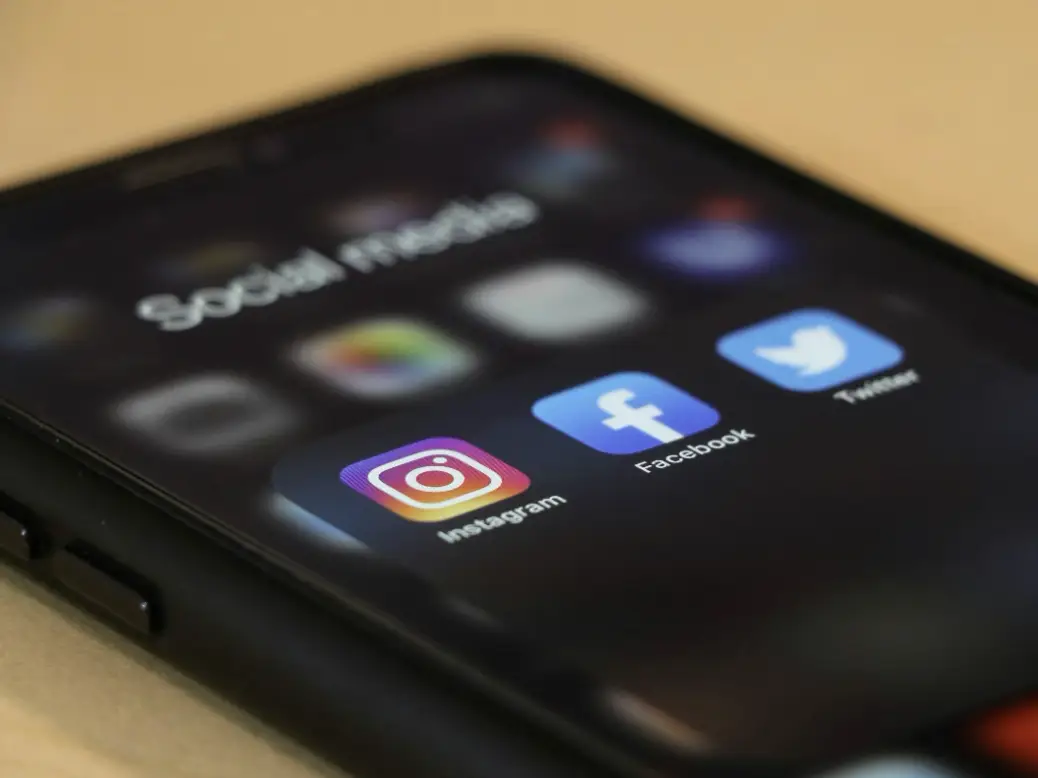
Imagine, scrolling through the Instagram late night, all of sudden your favorite influencer pops up, doing something massively wild. And all you can think is, “wait, WHAT!!” on that controversial post. So precisely this is InfluencerGoneWild is about. Or in simple terms, the stunts and shocking posts that create trending controversies, influencers put online, it’s not a website or a platform where influencers post specifically.
From reckless stunts to straight up ethical disasters, InfluencersGoneWild shows us the risky side of chasing viral fame. Let's dig into some of the biggest scandals from 2025 and beyond because let's be real, who doesn't love a good "what were they thinking" story?
Why InfluencersGoneWild Scandals Keep Happening
Here's the thing. Back in 2010 influencer marketing was just getting started. Think early YouTubers promoting energy drinks from their messy bedrooms. Now in 2025 it's a massive $21 billion industry in the US alone. But that spotlight comes with serious pressure.
The term InfluencersGoneWild isn't just some random internet joke anymore. On Google, the term get more than 50,000 searches monthly. The major reason is people want authenticity and transparency with influencers and people they follow. But when that "authentic" behavior crosses into reckless territory like trashing a national park for a photo or faking a mental breakdown for views, the backlash hits hard and fast.
With TikTok Becomes a Leading New Source for Young Americans, everything blow up instantly. One mistake can cost millions of followers overnight. Brands drop sponsorships faster than you can blink. Sometimes there are even lawsuits involved.
But here's what's wild. These moments keep happening over and over. Why do influencers go off the rails? It's that addictive rush of going viral mixed with the intense pressure to stay relevant when there are literally 500 million TikTok videos uploaded every day. Attention is money in this world and sometimes creators overdraw that account big time.
The Pressure Cooker of Creator Life
Influencers aren't robots even though sometimes we forget that. In the US about 4.9% of people now work as full time creators according to recent data. That means millions of Americans are living under constant scrutiny online.
There's also the dopamine factor. One viral scandal can get 10 times more engagement than a regular polished tutorial. But the flip side is brutal. About 50% of influencers report serious anxiety from public criticism according to recent studies. We see unfiltered rants, impulsive stunts and those leaked DMs that explode online. It's not that creators are careless. They're often in survival mode trying to stay relevant in an industry where your value expires incredibly fast.
InfluencersGoneWild Scandals That Shocked America
Logan Paul and the Forest Incident
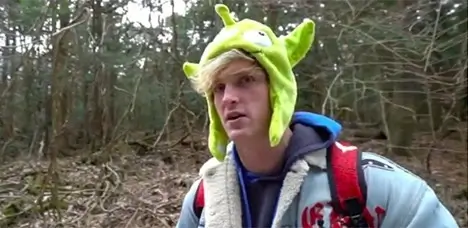
You probably remember Logan Paul. Worldwide favorite star, famed through wild content and pranks. Logan Paul shook the America when he posted video of suicide victim’s body in Suicide Forest, Japan, back in 2018. While the video went insanely famous with 6.3 million views before getting removed by YouTube. What surprise the audience most was his insensitive reaction. Logan faced global backlash of his career.
By 2025 Paul has talked about this openly in podcasts admitting it cost him $5 million in brand deals and led to years of therapy. This is the ultimate InfluencersGoneWild example because it wasn't just offensive, it turned real human tragedy into clickbait content. American fans signed petitions and YouTube created new sensitivity guidelines because of this.
Logan Paul has bounced back somewhat with his Prime energy drink business but that mistake will follow him forever. The lesson here is clear. Without empathy your chances of getting viral are insane along with risk of getting canceled.
Fyre Festival: The Marketing Disaster

In 2017, Fyre Festival marketed by Billy McFarland, a luxury music festival through famous model like Kendal Jenner and Bella Hadid in Bahamas. Reportedly the attendees got sad cheese sandwiches and FEMA tents.
By 2025 Fyre Festival is literally taught as a case study at Harvard Business School about influencer ethics. Billy McFarland went to prison for fraud for six years. The influencers who promoted it faced class action lawsuits and many had to settle.
Searches for "Fyre Festival scam" jumped 40% this year with anniversary documentaries bringing it back into focus. The big takeaway is that sponsored content absolutely must be clearly labeled as ads. The FTC now fines violators up to $43,000 per offense. One pretty picture can destroy trust for an entire industry.
The 2025 Extreme Stunt Wave
This year extreme content creators really pushed boundaries. There was "Skywalk Sam" a TikTok creator who live streamed himself walking on a rooftop at One World Trade Center in NYC without any safety harness. He actually slipped and dangled for 20 terrifying seconds before police arrested him.
The video got 15 million views but he was charged with reckless endangerment. His caption literally said "InfluencersGoneWild: YOLO Heights."
Then there was an eco-influencer who picked up a baby wombat in the Australian outback for content, completely ignoring wildlife protection laws. Conservation groups called her out hard. Not she only public apologized but also donated $50,000 to animal rehabilitation but the damage was unfixable.
Notably, these sort of scandals led to real change in policy. Australia reformed its influencer visa program because of incidents like this. In the US we saw similar chaos at events like Coachella where one fashion blogger's "wild" outfit reveal somehow started a mosh pit that led to injuries and lawsuits.
How These Scandals Changed Everything
These aren't just isolated oops moments. They're causing real shifts in how the industry works. In 2025 major US brands like Nike and Glossier paused about 30% of their influencer partnerships after various scandals. They started doing what they call "authenticity audits" before working with creators.
We're also seeing cultural changes around mental health. Social media platforms added mandatory wellness breaks for creators after a tragic 2025 case where an influencer's suicide was linked to burnout. Legally things are changing too. California passed a bill requiring disclosure training for any creator with over 100,000 followers.
InfluencersGoneWild isn't going away. It's evolving and forcing us all (brands, creators and fans) to demand better behavior from digital celebrities.
How Brands Protect Themselves in 2025
Big companies learned hard lessons from scandals. Now they build "scandal clauses" into influencer contracts that let them exit deals if a creator does something problematic. If you are thinking to become a business tycoon the check out our detailed guide on How to Become a Successful Business Tycoon.
Big brands use social listening tools to monitor influencers they work with and usually cap influencer marketing at about 20% of their total advertising budget. This smart approach has saved companies millions. For example when a body positivity influencer suddenly started promoting diet shakes mid campaign, one major brand was able to end the partnership immediately because of these protections.
Conclusion: What We Can Learn From All This
So what a wild ride right? From forest disasters to festival failures, InfluencersGoneWild moments show us that fame is like walking a tightrope. It's exciting but one wrong step can be devastating.
In 2025 America where social media influences about 60% of Gen Z purchase decisions according to statistics, these stories matter. They're not just entertaining drama. They're important lessons about authenticity, responsibility and the real human cost of chasing viral fame.
For influencers the message is clear, be thoughtful before posting anything and remember you’re the influence on the audience. For brands, do your homework and vet creators carefully. And for all of us as fans? Support creators who are genuine and call out the ones being reckless.